Where to Stay for the US Open
Flushing, Long Island City, or Midtown Manhattan — the honest tradeoffs for each and what to book first
The US Open runs for two weeks and hotels near Flushing Meadows fill months in advance. The question is not just which hotel but which neighbourhood to base yourself in — and the honest answer depends on what you want from the trip.
Option 1: Flushing
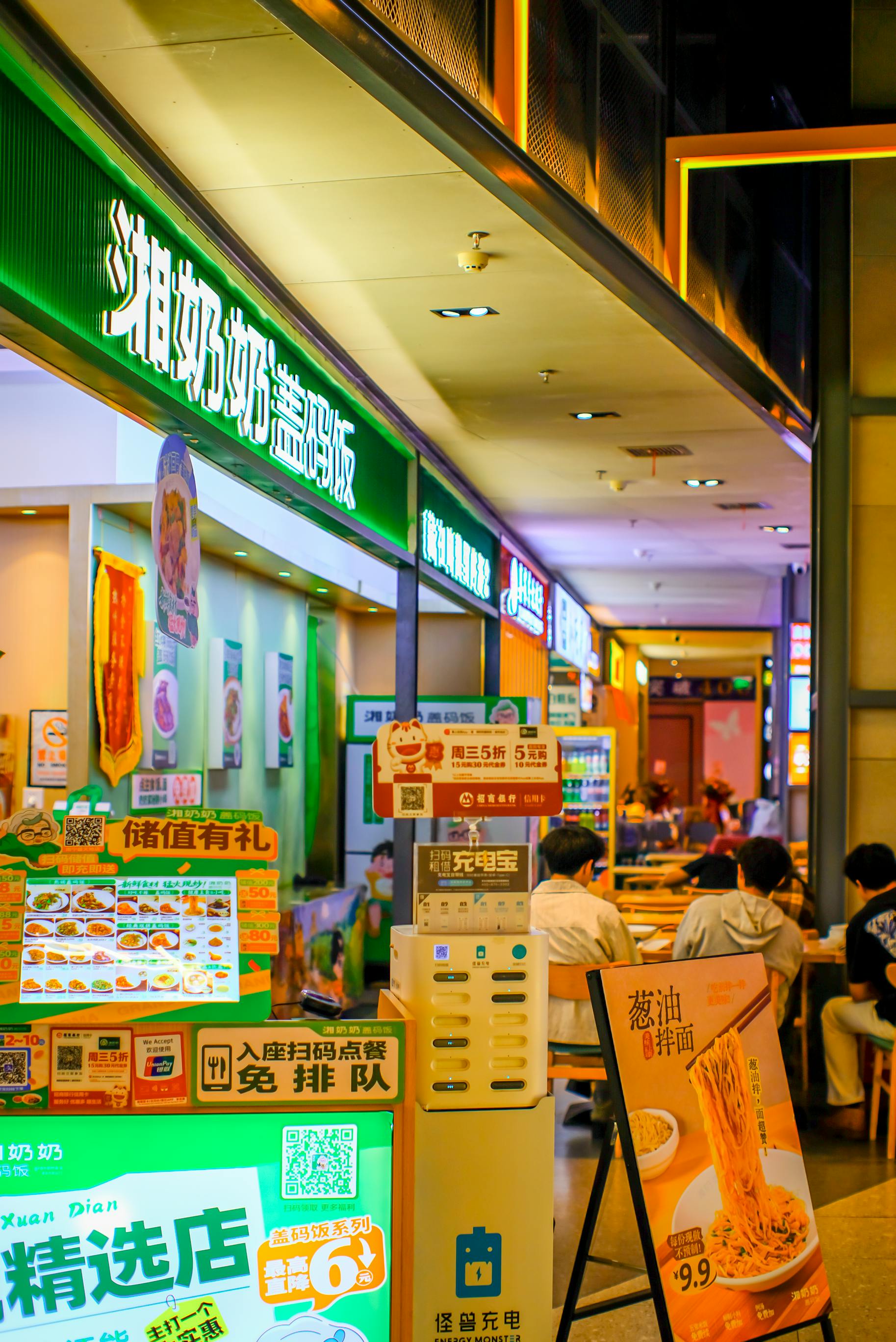
Flushing is the most convenient base. The hotels there are within a 15-minute walk of the USTA gates, the 7 train is at Main Street for everything else, and you're in the middle of the food ecosystem that makes this tournament distinctive. The neighbourhood itself — the largest Chinatown outside of China, per many accounts, with Taiwanese, Shanghainese, and other regional cooking concentrated along Main Street and Roosevelt — is worth being embedded in rather than commuting to.
The tradeoff: Flushing hotels are not characterful. They're newer, efficient, and built for the business traveller who ends up in Queens for a trade show at the convention centre. Expect clean rooms, functional service, and limited lobby or common area quality. The neighbourhood is what earns its place.
Option 2: Long Island City
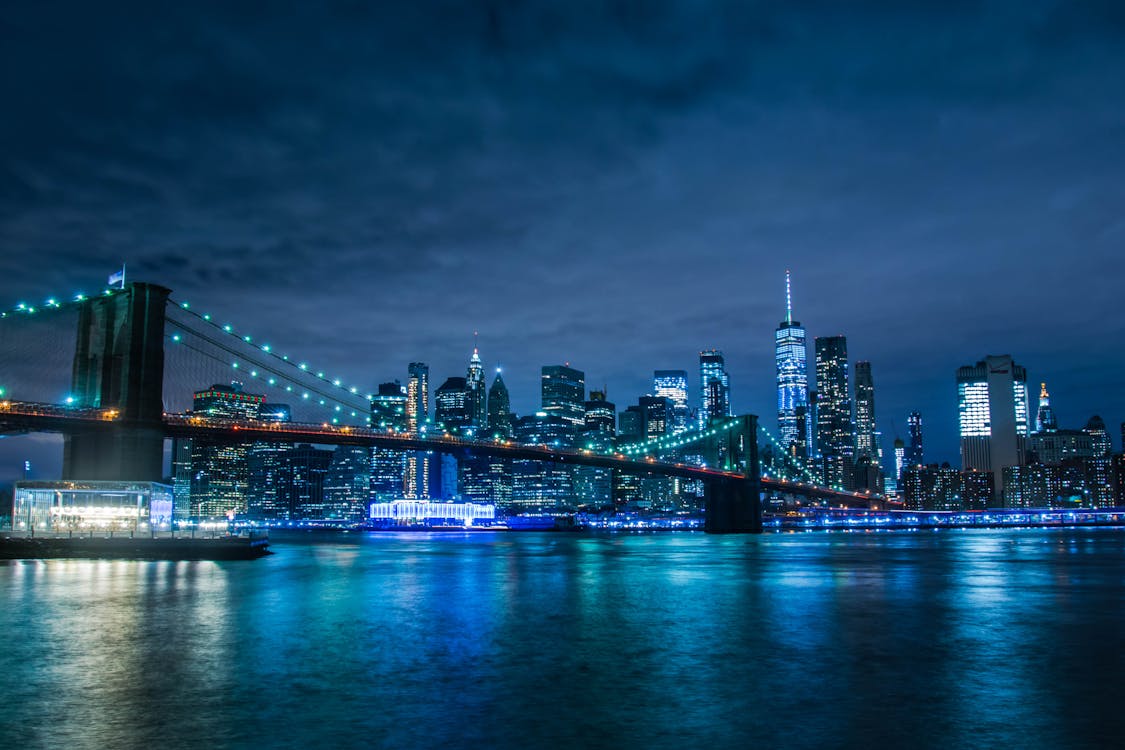
Long Island City (LIC) is two stops on the 7 train from Mets-Willets Point, putting you 15–20 minutes from the tournament gates with a direct line and no transfer. The hotels here are newer, more design-forward, and often better value than equivalent Manhattan options. The neighbourhood has a different quality from Flushing — more residential and post-industrial, with waterfront parks that look directly at the Midtown Manhattan skyline.
For a US Open trip where you want convenience to the tournament plus a more interesting base than a Flushing business hotel, Long Island City is the strongest option.
Option 3: Midtown Manhattan
The obvious choice for visitors combining the US Open with a broader New York trip. Times Square, Grand Central, and the hotels nearby are all 38–42 minutes on the 7 train from Mets-Willets Point — workable, but that's 80 minutes of transit for each full day at the tournament. For a two- or three-session visit where you're also spending time in the city, Manhattan makes sense. For a dedicated tournament trip, the commute accumulates.
Booking timing
US Open hotels — particularly in Flushing — book out 3–6 months ahead of the tournament. If you're planning to attend during the second week (quarterfinals onward), assume high demand and book as soon as your dates are confirmed.
Why it's special
The accommodation decision for the US Open is more consequential than for most sporting events because the neighbourhood matters. Staying in Flushing means you're in the food scene; staying in LIC means you're in a genuinely interesting part of New York that most visitors don't see; staying in Midtown means you're doing New York and happening to go to some tennis.
All three are reasonable choices depending on what you're optimising for. This section is designed to prevent the default Midtown booking that leaves you with an 80-minute daily commute when 20 minutes was available.
Insider tips
- 1
Flushing hotels book out 3–6 months ahead of the tournament. When your session tickets are confirmed, book accommodation the same week.
- 2
Long Island City (two stops on the 7 from Mets-Willets Point) has newer, more design-forward hotels than Flushing at comparable prices — it's worth comparing the two before defaulting to Flushing.
- 3
If staying in Midtown, build in 80 minutes of daily transit time (40 min each way) before planning a full tournament day. It's manageable for a short trip but accumulates over five days.
- 4
The Flushing food scene — Golden Mall, the Main Street food corridor, the congee and soup dumpling places along Roosevelt Avenue — is part of the value of staying there. It's not just proximity.
- 5
Check your session type (day vs night) before deciding where to stay. Night session attendees often prefer walking from Arthur Ashe to a Flushing hotel at midnight rather than taking the subway; day session visitors may find Midtown more practical.
What to avoid
Don't default to a Midtown hotel without calculating the 7-train journey time first. The commute is workable but it adds up over a tournament trip and Long Island City offers a much shorter connection at comparable cost. Don't leave hotel booking until 6–8 weeks before the tournament — by then, options near the venue are limited and prices are noticeably higher. And don't stay in Flushing purely for transit convenience without factoring in the neighbourhood; the food ecosystem around Main Street is what makes Flushing a worthwhile base rather than just a logistical choice.