Arthur Ashe Stadium
The world's largest tennis stadium — 23,771 seats, retractable roof, and night sessions unlike any other
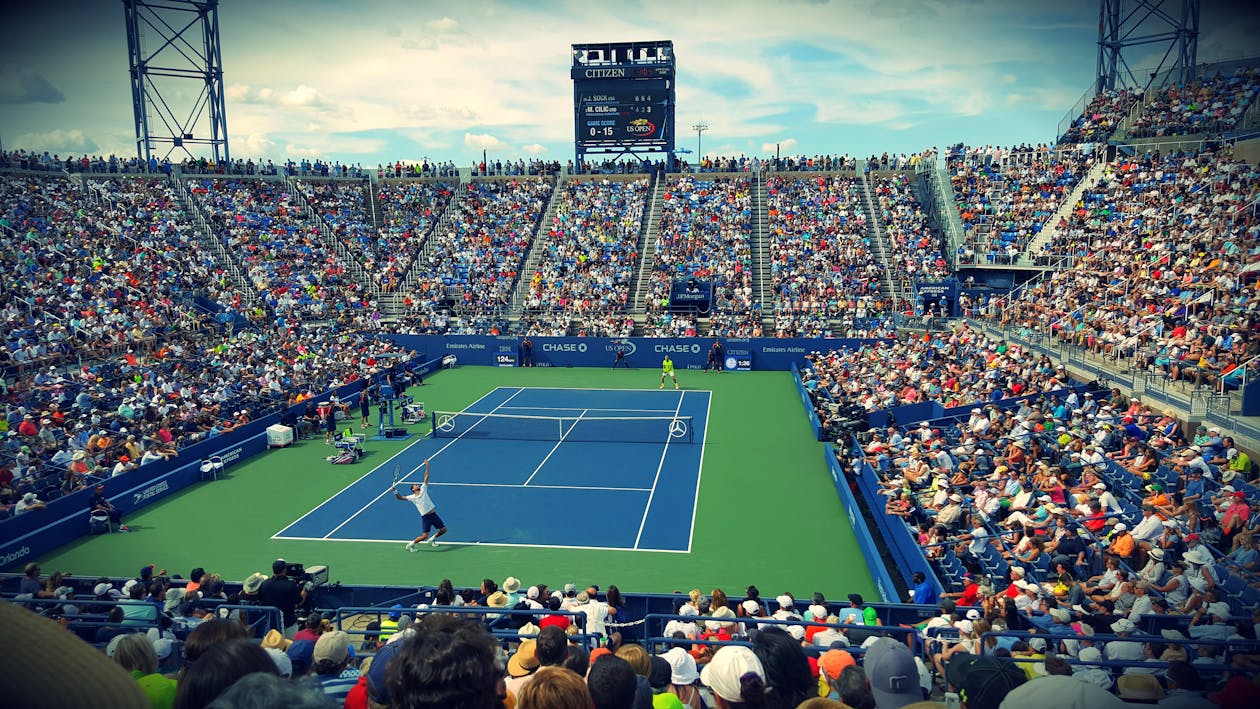
Arthur Ashe Stadium seats 23,771 people. That number is worth sitting with for a moment — it's bigger than Madison Square Garden, bigger than the O2 Arena in London, bigger than any other tennis stadium on earth. The scale of it doesn't fully register until you're inside, looking across at the far side of the upper deck and realising the people there are small.
The stadium opened in 1997, named for the American tennis champion and humanitarian Arthur Ashe. A retractable roof was added in 2016, making it the last of the US Open's three main courts to be weatherproofed. The roof closes automatically when rain or extreme heat conditions require it — in practice this mostly means you'll see it used during afternoon sessions when the heat index exceeds the USTA's threshold, or during the evening when storms roll in off the Atlantic.
Day vs night
The stadium runs two daily sessions: day (starting around 11am) and night (7pm). They are different experiences. The day session is calmer, the crowd more spread out across the stadium, the light hitting the blue court surface in a way that makes the yellow ball easy to follow. The night session is something else entirely. The upper deck fills by 8pm. The noise amplifies. The lighting drops the court into vivid relief against the dark New York sky. Prime matches — semifinals, marquee matchups, the biggest names in the draw — are scheduled for night sessions, and the atmosphere during a close third set in Arthur Ashe at 10pm on a Tuesday is unlike anything else in sport.
Book night session tickets before anything else in your trip planning. They sell out months in advance, scale in price based on round and expected match quality, and cannot be replicated with a same-day grounds pass.
Getting to your seat
The stadium has multiple entry gates and the ground level concourse runs all the way around. Food and drink concessions are on every level — the variety is better than any other tennis venue in the world, because this is New York. Find your section early; the seating is steep in the upper levels and the sight lines are excellent from almost anywhere.
Hawk-Eye and the replay screens
One thing that distinguishes the US Open experience from Wimbledon: large replay screens at each end of the court, and Hawk-Eye instant replays shown to the crowd after challenges. The crowd reaction to a challenge — the collective lean-in as the ball's trajectory appears on screen — is one of the specific pleasures of watching tennis at this venue.
Why it's special
Most sporting venues are defined by their history or their intimacy. Arthur Ashe Stadium is defined by its scale, and the scale is the point. There are 23,771 seats, and when they're full and the match on court is close, the noise the crowd produces is physical. You feel it.
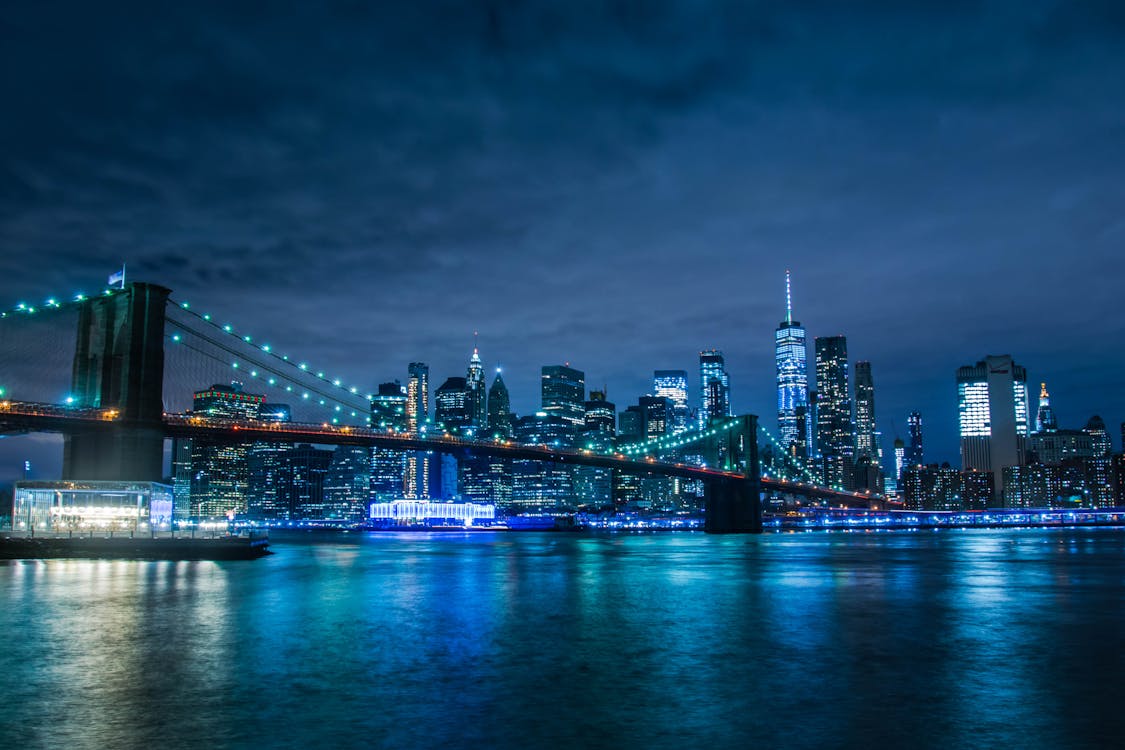
The night sessions are the reason this experience earns its place at the top of the pack. Wimbledon ends play in the early evening. Roland Garros does not do this at all. The Australian Open has night sessions but in a different stadium culture and timezone. The US Open built its identity around prime-time tennis in New York, and the product — a packed Arthur Ashe Stadium under lights, Manhattan visible from the upper deck, a crowd that stays and gets louder as the match goes on — is genuinely singular.
If you're doing one session at the US Open, it's a night session in Arthur Ashe. That's the correct answer.
Insider tips
- 1
The stadium runs two full sessions daily. Day sessions (from ~11am) are calmer and cheaper. Night sessions (7pm) are what the US Open is actually known for — book those.
- 2
Night session tickets are a separate purchase from grounds passes — they do not include each other. Buy the night session first; everything else builds around it.
- 3
Hawk-Eye challenge replays are shown to the crowd on the end screens. The collective lean-in when a close call is challenged is one of the specific pleasures of the venue — sit in a position where you can see both screens. Mid-level is the right seat for a first visit; upper levels have good sight lines but trade atmosphere for height, and the lower bowl is not worth the premium unless proximity to the court is specifically what you want.
- 4
Arrive 30 minutes before the session to get food and find your seat without rushing. The concessions ring all four levels; you don't need to go far.
- 5
If the retractable roof starts to close, stay in your seat. Play continues and the atmosphere shifts — the stadium becomes noticeably louder once sealed. Leaving is almost always the wrong call.
Practical info
What to avoid
Don't confuse day and night session tickets — they're separate purchases with different pricing, and the night session is not an upgrade path from a day session. Don't buy from resellers near the venue gates; the USTA official site (usopen.org) is the correct source, and secondary market prices near the gates are sharply inflated on busy session days. Don't leave if weather interrupts play — the roof closes in under ten minutes and the match continues. And don't skip the Hawk-Eye screens when a player challenges a call; the crowd reaction is a specific Arthur Ashe moment that doesn't translate to broadcast.